| Model Number: | ICR10440 |
| MOQ: | 5000pieces |
| Packaging Details: | Bulk packing |
| Payment Terms: | T/T |
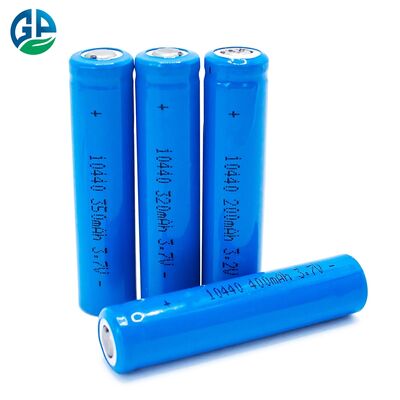
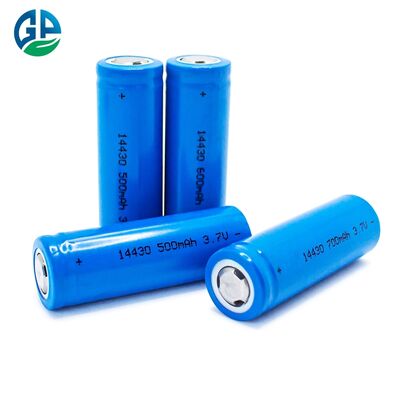
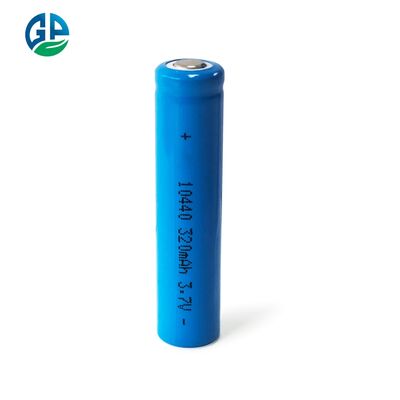
AAA AAAA size lithium ion battery 10440 3.7V 320mAh for smart pen handwriting applications.
| Model: | 10440 | Max. Charge Current: | 400mA |
| Capacity: | 400mAh | Standard Discharge Current: | 400mA |
| Initial Impedance: | ≤200mΩ | Max. Discharge Current: | 640mA |
| Energy: | 1.184Wh | Discharge Cut-off Voltage: | 3.0V |
| Charge Voltage: | 4.2V | Weight: | About 8g |
| Charge Method: | CC-CV | Dimension: | 10.5mm × 44.5mm |
| Standard Charge Current: | 160mA | Cycle Life: | 300 |
Lithium Battery Safety Guide: Essential Precautions for Li-ion Battery Users
Why Safety Matters for Every Lithium Battery
A Lithium battery offers exceptional energy density and long cycle life, but improper handling can lead to serious risks. This guide covers essential precautions for every cylindrical rechargeable battery and other Li-ion formats to ensure maximum safety and performance.
1. Charging Precautions for Li-ion Battery
Use Approved Chargers Only
Always use a charger specifically designed for your Lithium battery. A Li-ion battery requires precise constant current/constant voltage (CC/CV) charging. Unauthorized chargers can overcharge the cylindrical rechargeable battery, causing internal damage or fire.
Never Overcharge a Lithium Battery
Disconnect the Li-ion battery once fully charged. Although most cylindrical rechargeable battery models have built-in protection circuits, relying solely on them is risky. Overcharging a Lithium battery leads to gas buildup, swelling, and potential thermal runaway.
2. Discharge and Usage Precautions
Avoid Deep Discharge of Li-ion Battery
Do not drain your Lithium battery below 2.5V per cell. Deep discharge reverses polarity and creates internal copper shunts, rendering the Li-ion battery unsafe for reuse. For optimal lifespan, recharge the cylindrical rechargeable battery when it reaches 20–30% capacity.
Respect Maximum Discharge Rates.
3. Storage Guidelines for Lithium Battery
Store at Partial Charge
For long-term storage, keep your Li-ion battery at 40–60% state of charge. Storing a Lithium battery fully charged accelerates capacity fade, while fully discharged causes irreversible damage.
Store your Li-ion battery in temperatures between -20°C and 25°C. Avoid humidity, as moisture corrodes the Lithium battery terminals.
Never Store Damaged Li-ion Battery
If a Lithium battery shows dents, swelling, or leakage, isolate it immediately. A compromised Li-ion battery poses fire hazards even in storage. Place the damaged cylindrical rechargeable battery in a fireproof container and contact a recycling facility.
---
4. Handling and Transportation Safety
Prevent Physical Damage to Lithium Battery
Dropping or puncturing a Li-ion battery can cause internal short circuits. Handle each cylindrical rechargeable battery with care—never crush, bend, or disassemble a Lithium battery. Damaged cells release toxic fumes and may ignite.
5. Disposal and Recycling of Li-ion Battery
Never Dispose of Lithium Battery in Trash
A Li-ion battery contains valuable but hazardous materials. Take your Lithium battery to designated e-waste collection points. Many retailers offer take-back programs for any cylindrical rechargeable battery—use them responsibly.
6. What to Do If a Lithium Battery Catches Fire
· Small Li-ion battery fire: Use a Class D fire extinguisher or smother with sand/vermiculite. Never use water—a Lithium battery reacts violently.
· Large cylindrical rechargeable battery fire: Evacuate immediately and call emergency services.
· Smoking/swollen Lithium battery: Place it outdoors in a fireproof container away from structures.
All-weather applicability (-30~60℃)
Highly safe battery design technology
Full coverage of battery varieties
Experienced R&D team with over 60 engineers
Advanced equipment for OEM and ODM requirements
Comprehensive quality assurance processes
CE, RoHs, BIS, KC, CB, UL, MSDS, UN38.3, IEC61233 certified
Shenzhen Gold Power Energy Co., Ltd is one of the leading battery suppliers in China. We have offered various batteries including Li polymer battery, Lithium ion battery, LiFePO4 battery, and customized battery packs since 2001.
| Model Number: | ICR10440 |
| MOQ: | 5000pieces |
| Packaging Details: | Bulk packing |
| Payment Terms: | T/T |
AAA AAAA size lithium ion battery 10440 3.7V 320mAh for smart pen handwriting applications.
| Model: | 10440 | Max. Charge Current: | 400mA |
| Capacity: | 400mAh | Standard Discharge Current: | 400mA |
| Initial Impedance: | ≤200mΩ | Max. Discharge Current: | 640mA |
| Energy: | 1.184Wh | Discharge Cut-off Voltage: | 3.0V |
| Charge Voltage: | 4.2V | Weight: | About 8g |
| Charge Method: | CC-CV | Dimension: | 10.5mm × 44.5mm |
| Standard Charge Current: | 160mA | Cycle Life: | 300 |
Lithium Battery Safety Guide: Essential Precautions for Li-ion Battery Users
Why Safety Matters for Every Lithium Battery
A Lithium battery offers exceptional energy density and long cycle life, but improper handling can lead to serious risks. This guide covers essential precautions for every cylindrical rechargeable battery and other Li-ion formats to ensure maximum safety and performance.
1. Charging Precautions for Li-ion Battery
Use Approved Chargers Only
Always use a charger specifically designed for your Lithium battery. A Li-ion battery requires precise constant current/constant voltage (CC/CV) charging. Unauthorized chargers can overcharge the cylindrical rechargeable battery, causing internal damage or fire.
Never Overcharge a Lithium Battery
Disconnect the Li-ion battery once fully charged. Although most cylindrical rechargeable battery models have built-in protection circuits, relying solely on them is risky. Overcharging a Lithium battery leads to gas buildup, swelling, and potential thermal runaway.
2. Discharge and Usage Precautions
Avoid Deep Discharge of Li-ion Battery
Do not drain your Lithium battery below 2.5V per cell. Deep discharge reverses polarity and creates internal copper shunts, rendering the Li-ion battery unsafe for reuse. For optimal lifespan, recharge the cylindrical rechargeable battery when it reaches 20–30% capacity.
Respect Maximum Discharge Rates.
3. Storage Guidelines for Lithium Battery
Store at Partial Charge
For long-term storage, keep your Li-ion battery at 40–60% state of charge. Storing a Lithium battery fully charged accelerates capacity fade, while fully discharged causes irreversible damage.
Store your Li-ion battery in temperatures between -20°C and 25°C. Avoid humidity, as moisture corrodes the Lithium battery terminals.
Never Store Damaged Li-ion Battery
If a Lithium battery shows dents, swelling, or leakage, isolate it immediately. A compromised Li-ion battery poses fire hazards even in storage. Place the damaged cylindrical rechargeable battery in a fireproof container and contact a recycling facility.
---
4. Handling and Transportation Safety
Prevent Physical Damage to Lithium Battery
Dropping or puncturing a Li-ion battery can cause internal short circuits. Handle each cylindrical rechargeable battery with care—never crush, bend, or disassemble a Lithium battery. Damaged cells release toxic fumes and may ignite.
5. Disposal and Recycling of Li-ion Battery
Never Dispose of Lithium Battery in Trash
A Li-ion battery contains valuable but hazardous materials. Take your Lithium battery to designated e-waste collection points. Many retailers offer take-back programs for any cylindrical rechargeable battery—use them responsibly.
6. What to Do If a Lithium Battery Catches Fire
· Small Li-ion battery fire: Use a Class D fire extinguisher or smother with sand/vermiculite. Never use water—a Lithium battery reacts violently.
· Large cylindrical rechargeable battery fire: Evacuate immediately and call emergency services.
· Smoking/swollen Lithium battery: Place it outdoors in a fireproof container away from structures.
All-weather applicability (-30~60℃)
Highly safe battery design technology
Full coverage of battery varieties
Experienced R&D team with over 60 engineers
Advanced equipment for OEM and ODM requirements
Comprehensive quality assurance processes
CE, RoHs, BIS, KC, CB, UL, MSDS, UN38.3, IEC61233 certified
Shenzhen Gold Power Energy Co., Ltd is one of the leading battery suppliers in China. We have offered various batteries including Li polymer battery, Lithium ion battery, LiFePO4 battery, and customized battery packs since 2001.